


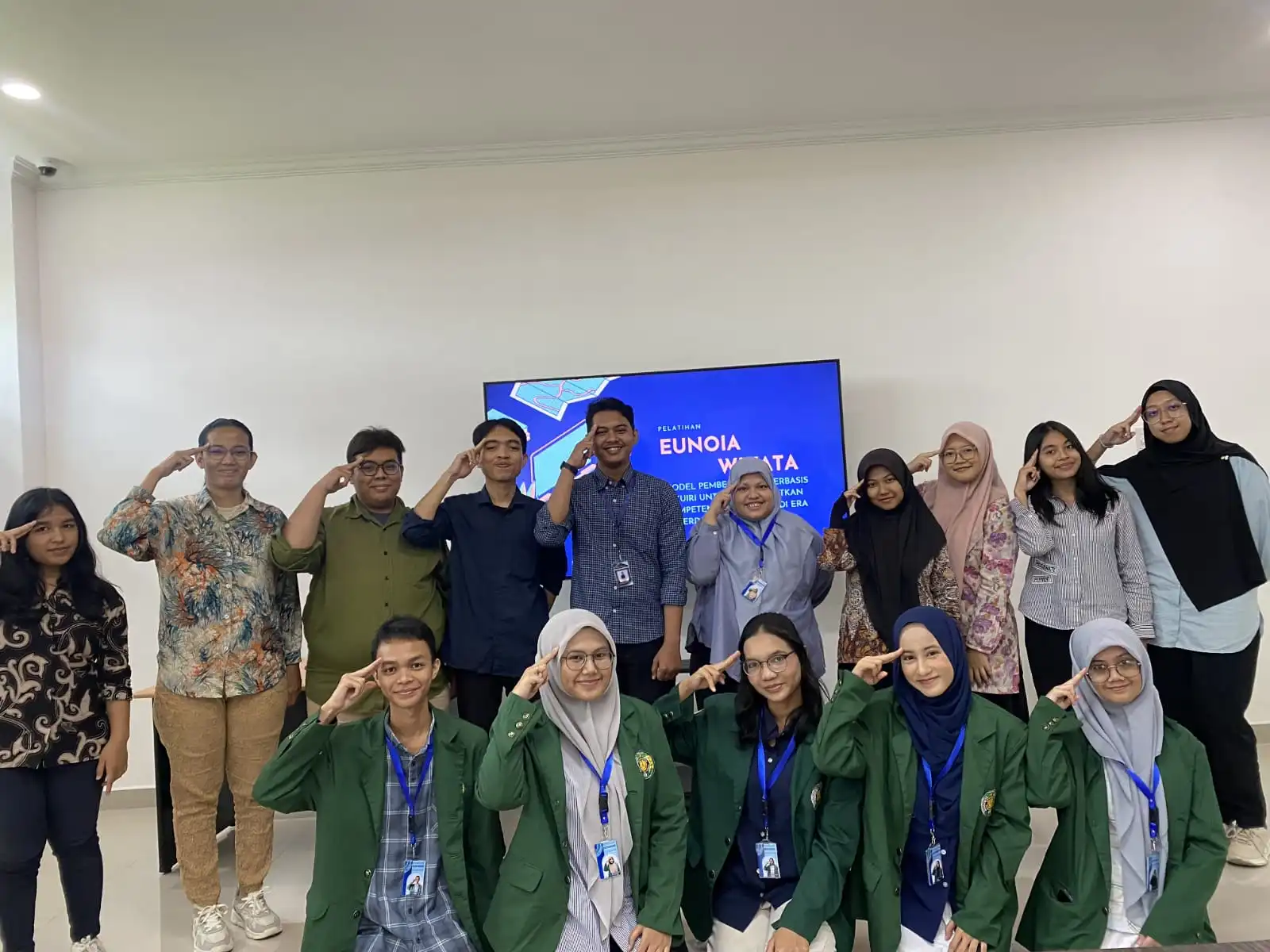
The rapid development of Artificial Intelligence (AI) technology has brought major impacts to the world of education, including higher education. On one hand, AI offers efficiency and easier access to information and academic task completion. On the other hand, excessive use without deep understanding risks reducing students’ competencies, ranging from diminished critical thinking, independent learning, and problem-solving abilities to poor digital literacy and reduced creativity. This phenomenon inspired a team of students from Universitas Sumatera Utara (USU) to create an educational innovation in the form of a learning module called Eunoia Wiyata.
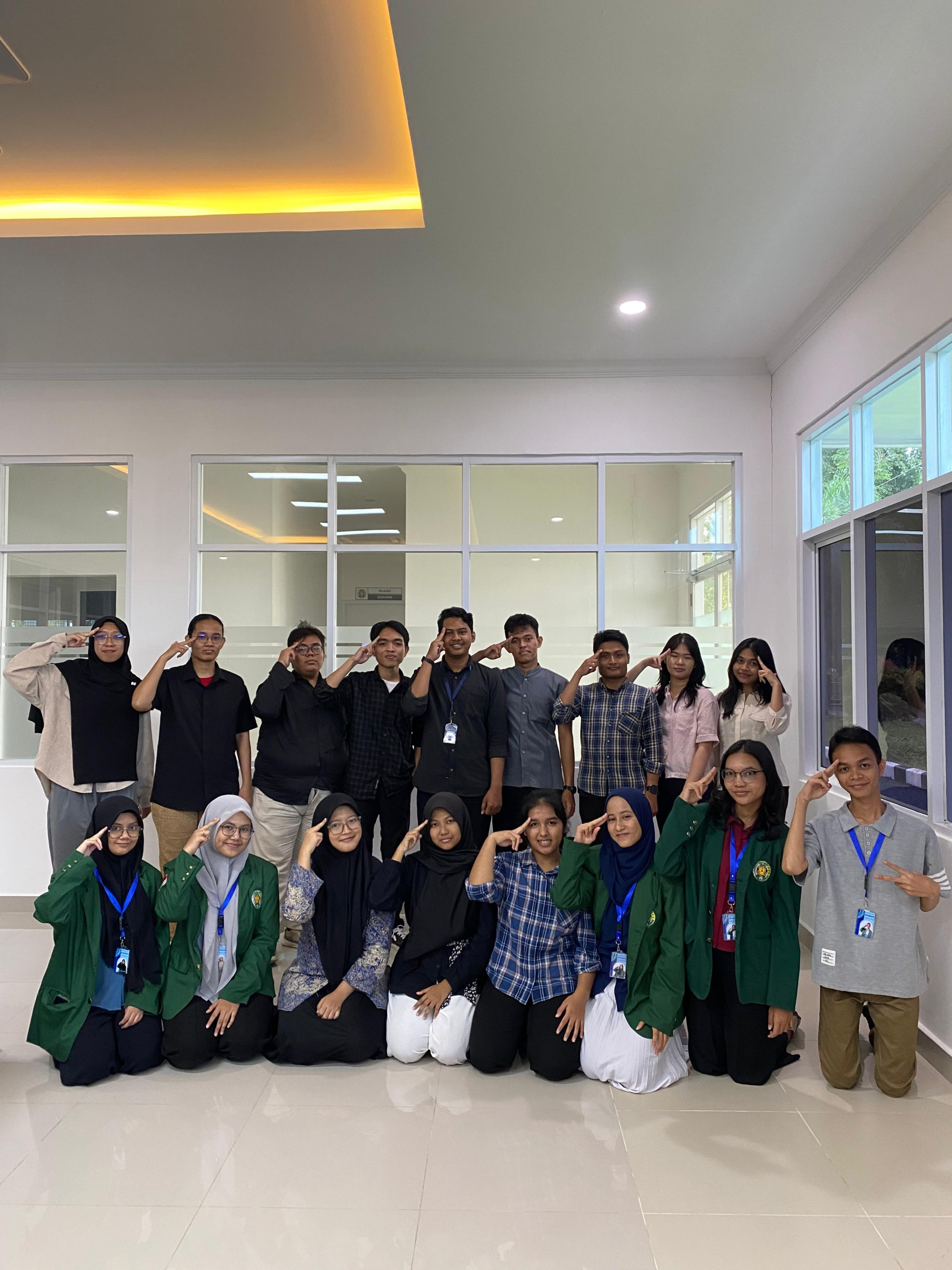
The module was developed under the 2025 Student Creativity Program (Program Kreativitas Mahasiswa – Social Humanities Research Scheme / PKM-RSH) by a five-member team led by Yusria Amaliah, along with Salwa Azzurah, Dini Syifa Kesuma, Rizky Mardiansyah, and Yemima Riama Magdalena Sirait, under the supervision of Dina Nazriani, S.Psi., M.A. The research team observed a growing dependence among students in Medan on AI to complete coursework. Preliminary surveys revealed that most students frequently use AI tools, even for routine academic tasks, each semester. This situation raised concerns about the emergence of competency loss, wich is a decline in core skills due to overreliance on technology for cognitive tasks. Motivated by this concern, Eunoia Wiyata was designed to provide a learning strategy that not only keeps up with technological trends but also preserves the essence of education: cultivating critical, solution-oriented, and independent learners.
As its core approach, the team adopted an Inquiry-Based Learning (IBL) framework, which emphasizes curiosity and self-directed investigation as students explore answers to real problems. IBL is believed to restore students’ active role in the learning process by encouraging them to formulate questions, test hypotheses, draw conclusions, and produce original work. Within this framework, Eunoia Wiyata presents four main stages: Orientation and Questioning, Hypothesis and Investigation, Interpretation and Conclusion, and Creative Action. These stages progressively train students to think critically, investigate information independently, use AI responsibly, and ultimately produce innovative solutions.
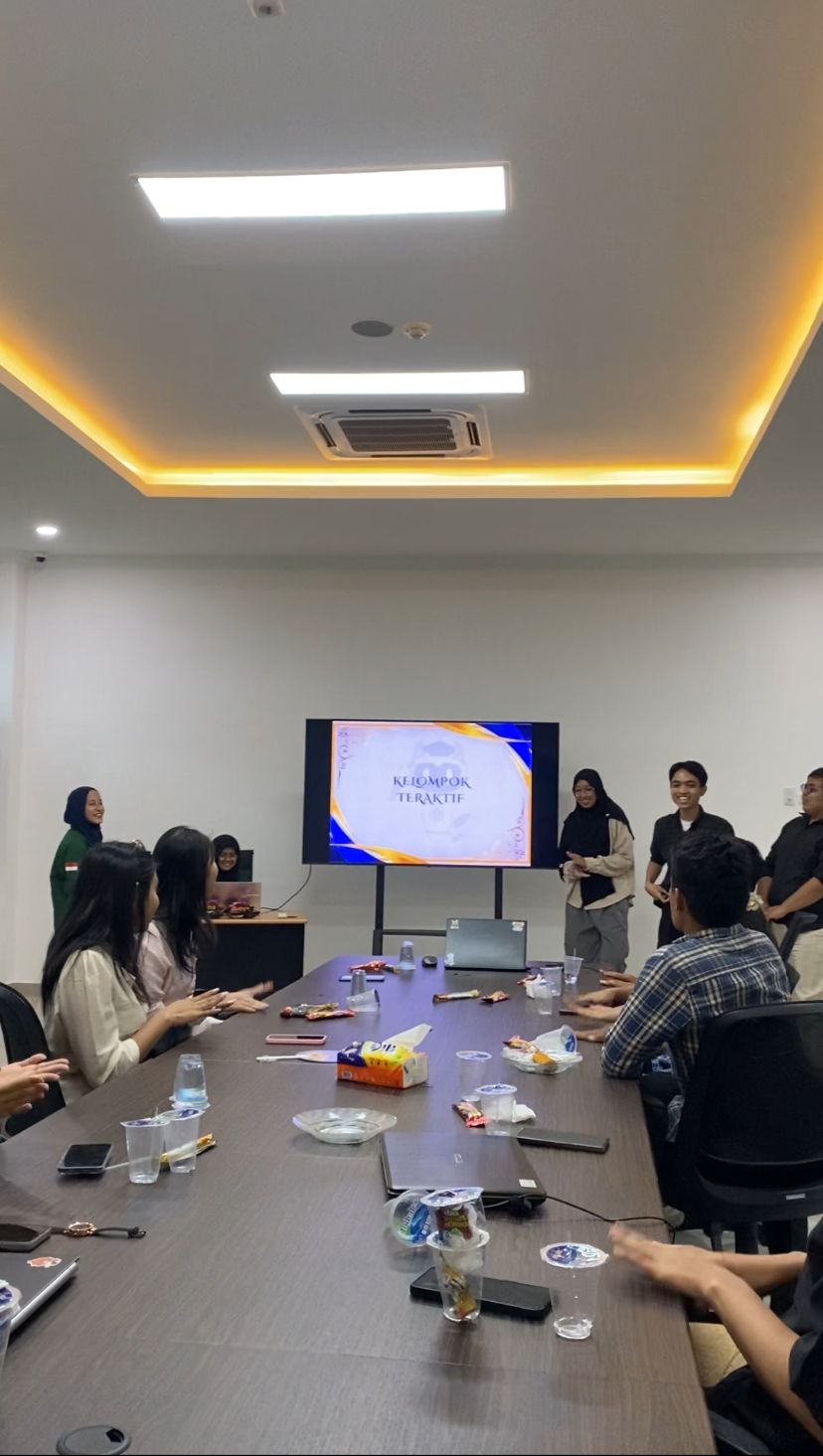
The training was conducted in August 2025, involving students from USU’s Psychology Study Program across various cohorts. Over four sessions, participants engaged in structured learning activities such as assignments, case studies, discussions, and reflection sessions. In the initial stage, students were guided to formulate clear learning questions and objectives. Next, they learned to collect information from diverse sources, including AI, while practicing critical evaluation. The following stage focused on interpreting data, developing evidence-based conclusions, and formulating solutions. Finally, in the Creative Action phase, students were challenged to produce original ideas addressing real problems identified during the learning process.
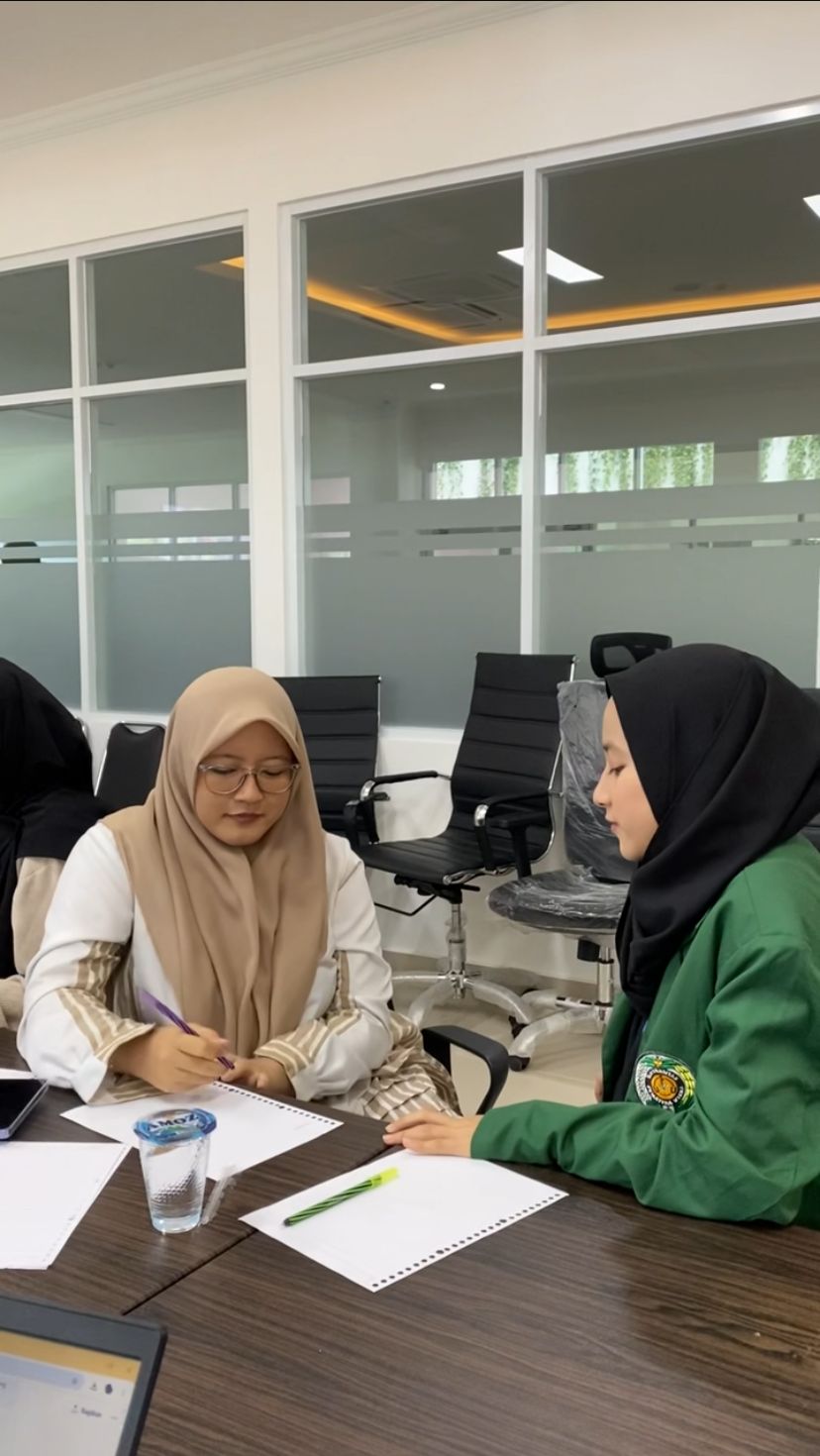
Student responses to the training were highly positive. They reported feeling more confident in completing assignments without excessive dependence on AI, while realizing that technology should serve as a supportive tool, not a replacement for human cognition. Through this experience, students also noticed improvements in their critical thinking, problem-solving, and creativity. This newfound awareness embodies the central goal of Eunoia Wiyata: fostering balance between modern technological use and the strengthening of students’ cognitive capacities. The innovation behind Eunoia Wiyata does not end with the training program. The USU student team plans to register the module as Intellectual Property (IP) and publish their research to expand its impact. They hope the module will benefit not only USU students but also serve as a model for other universities in Indonesia facing similar challenges amid digital transformation in education.
The presence of Eunoia Wiyata demonstrates that USU students are not only capable of responding to technological advancement but also of offering forward-thinking educational solutions. By integrating the sophistication of AI with the power of inquiry-based methods, this research aims to strengthen the quality of higher education in Indonesia and shape a generation of adaptive, solution-driven, and globally competitive young learners.