


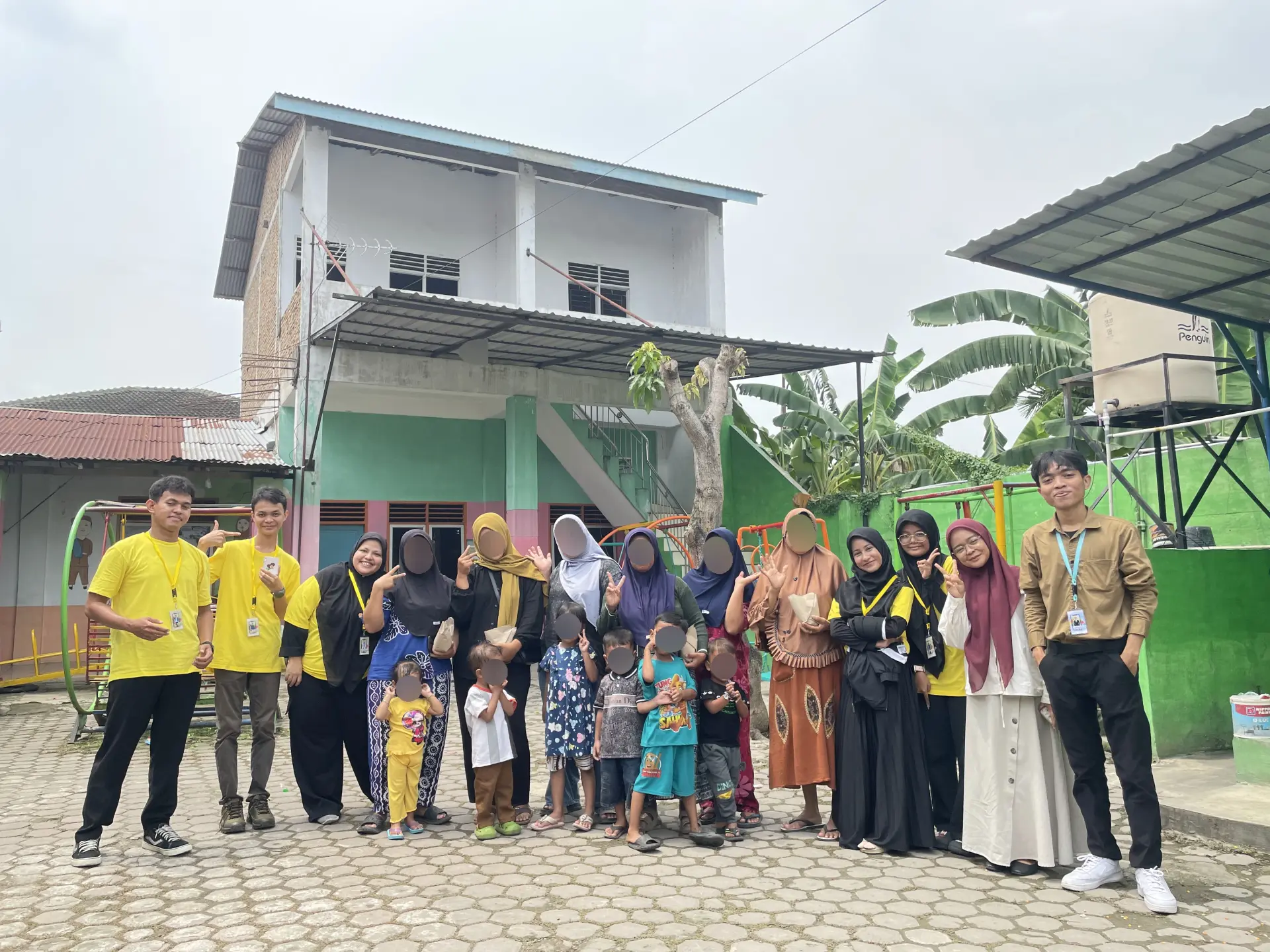
In response to this phenomenon, a group of Universitas Sumatera Utara (USU) students participating in the Social Humanities Research Student Creativity Program (PKM-RSH), organized by the Ministry of Higher Education, Science, and Technology of the Republic of Indonesia (Kemdiktisaintek RI) in 2026, developed a family-based intervention model called “KinderGeist”.
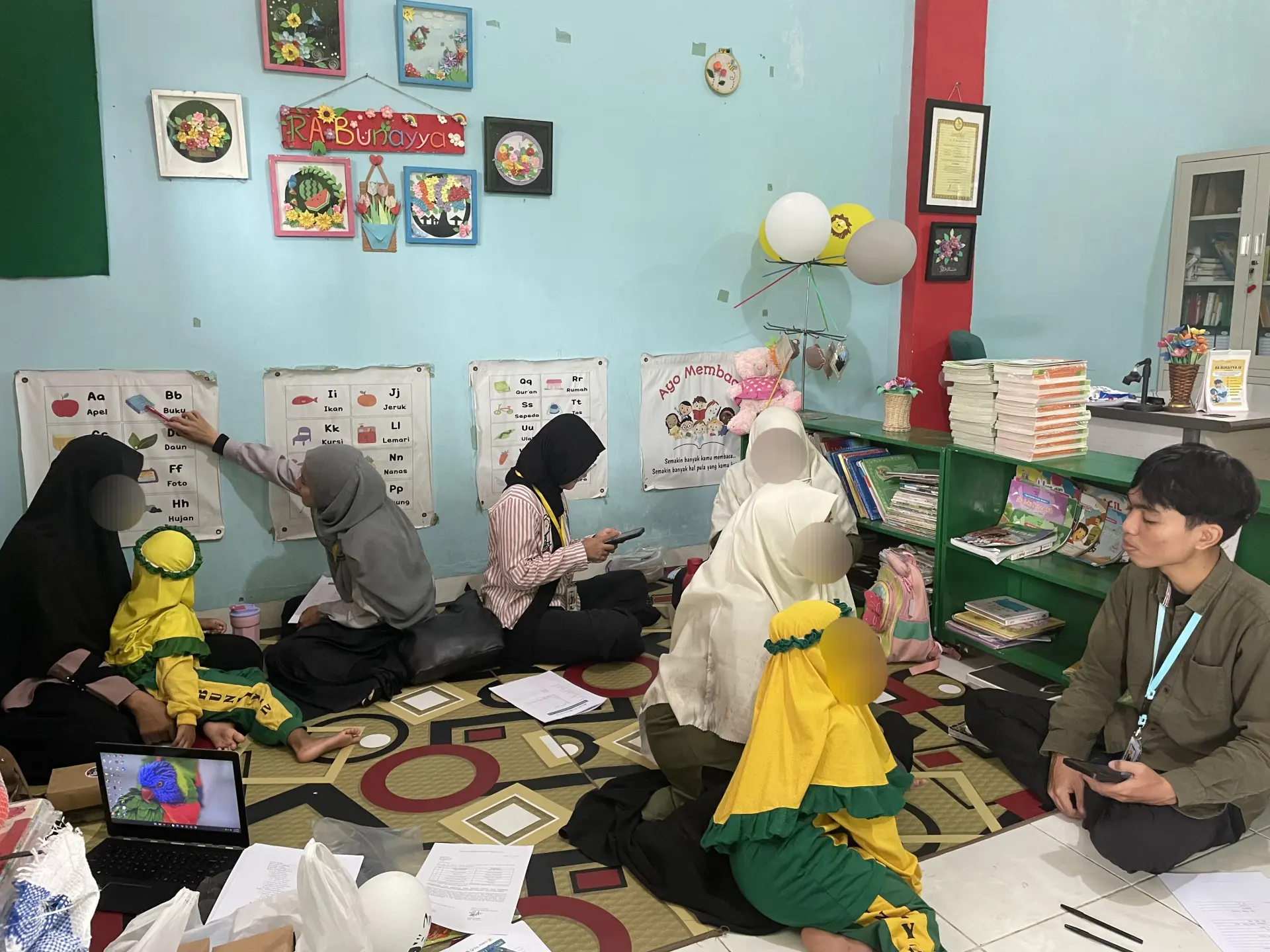
The research team is led by Yusria Amaliah, along with three members, namely Rizky Mardiansyah, Khairi Azmi, and An Nisa Dwi Syah Putri, under the supervision of faculty advisor Dina Nazriani, S.Psi., M.A.
The research, titled “Development of the KinderGeist Module: A Family Intervention Model to Support Children's Cognitive Development and Prevent the Negative Impacts of Gadget Use in Medan”, is designed to reduce gadget addiction and aggression among children while optimizing the cognitive development of children aged 2 to 7 years.
The research, which is being conducted over four months (June–September 2026), involves families in Medan with children within this age range. In addition to examining the effectiveness of the KinderGeist Module in supporting children's cognitive and behavioral development, the research also aims to formulate practical recommendations for technology-wise parenting (digital parenting) that can be applied by the wider community.
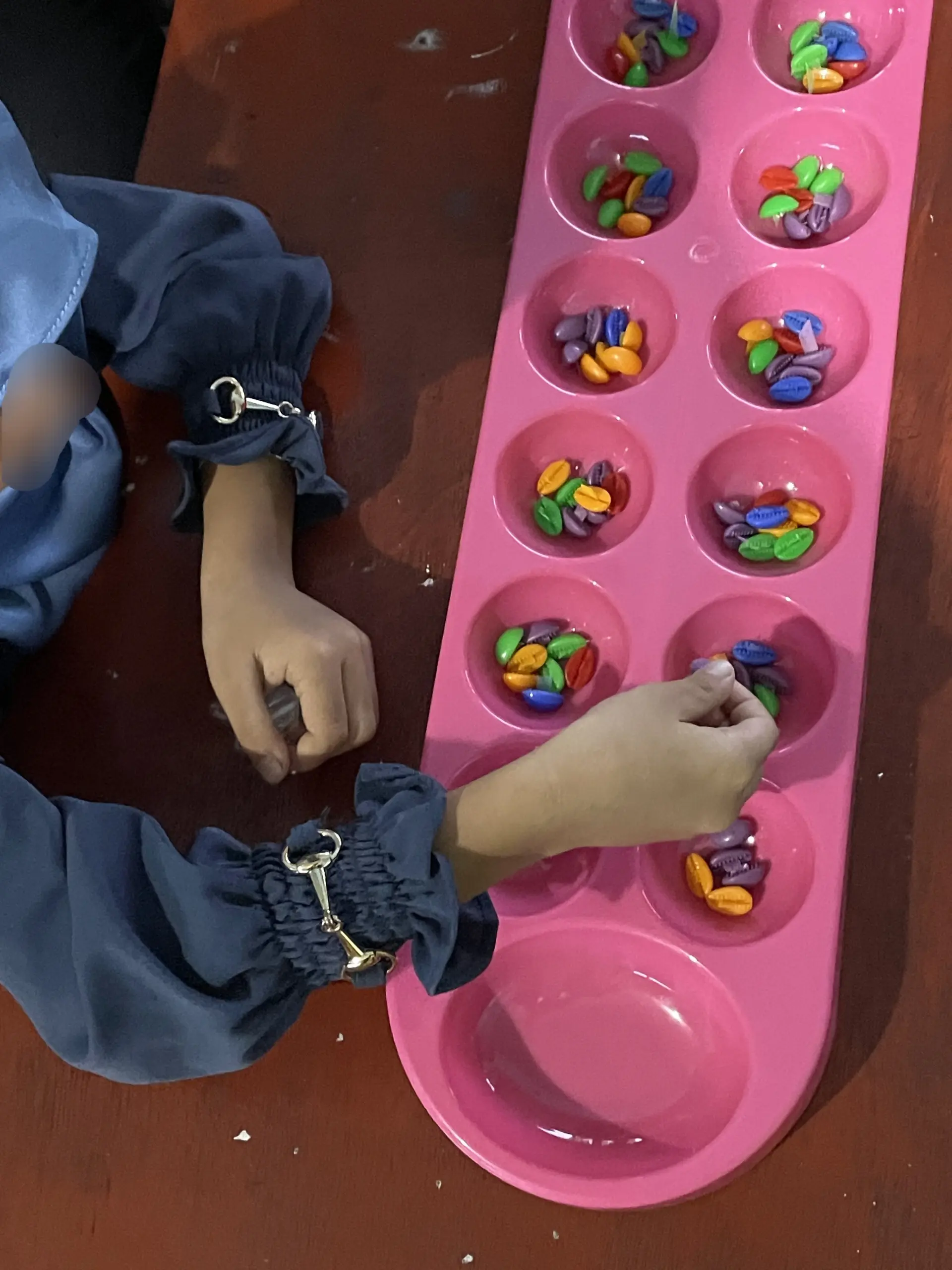
Through this innovation, the USU Student Team hopes that the KinderGeist Module can serve as a new reference for implementing parenting practices at home, enabling children to develop optimal cognitive abilities without being hindered by gadget dependency.