


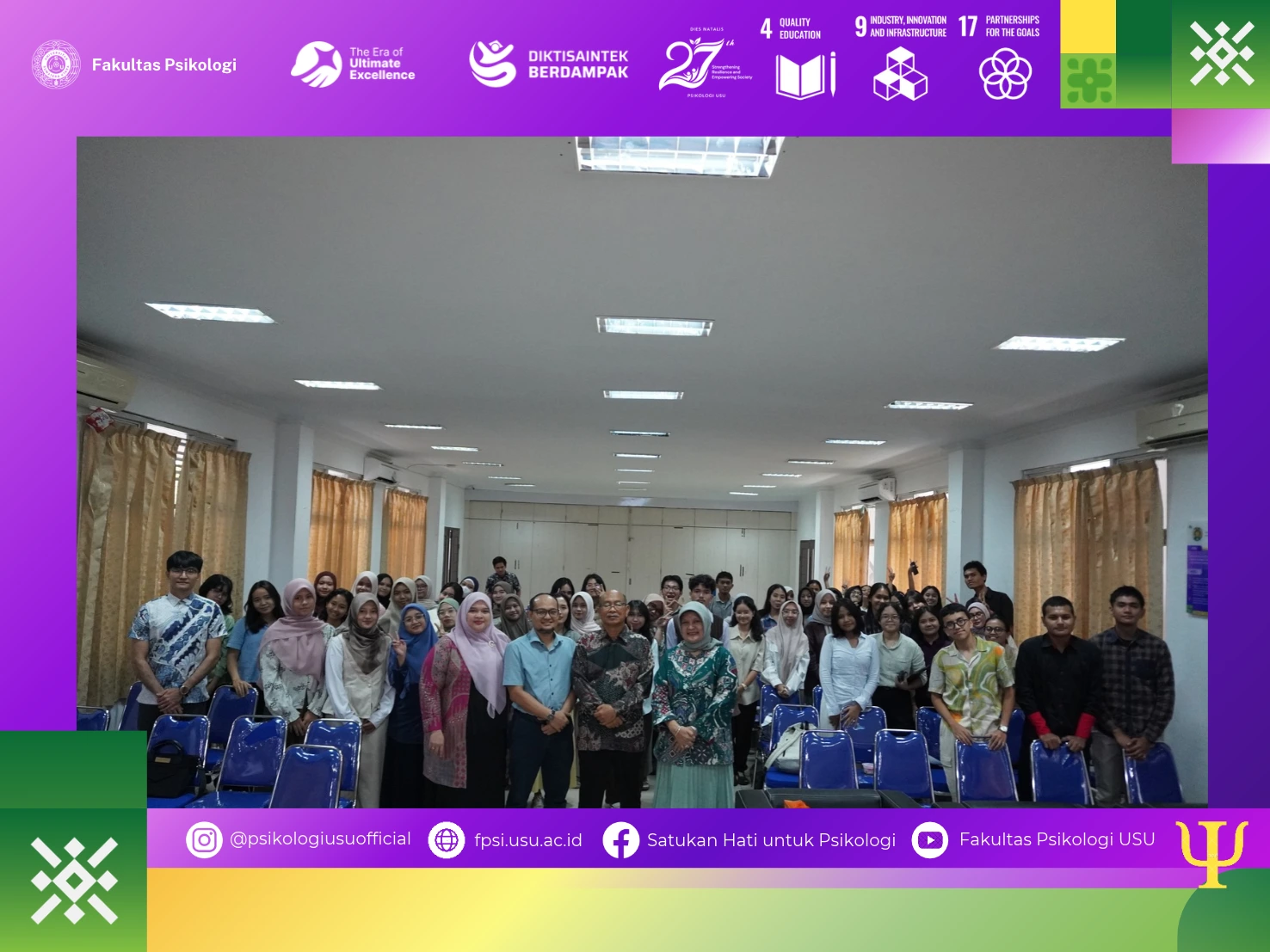
This international seminar was part of the 27th Anniversary Celebration of the Faculty of Psychology, USU, and was attended by the Dean of the Faculty of Psychology, USU, Prof. Dr. Vivi Gusrini Rahmadani Pohan, S.Psi., M.Sc., M.A., Psychologist, together with the Dean's leadership team, consisting of Dr. Rahmi Putri Rangkuti, S.Psi., M.Psi., Psychologist, Vice Dean for Academic Affairs, Student Affairs, and Alumni; Prof. Raras Sutatminingsih, S.Psi., M.Si., Ph.D., Psychologist, Vice Dean for Administration, Finance, Human Resources, and Assets; and Dr. Tarmidi, S.Psi., M.Psi., Psychologist, Vice Dean for Research, Community Service, Cooperation, and Internationalization. Also present was Fasti Rola, S.Psi., M.Psi., Head of the Undergraduate Psychology Study Program, along with other lecturers from the Faculty of Psychology.
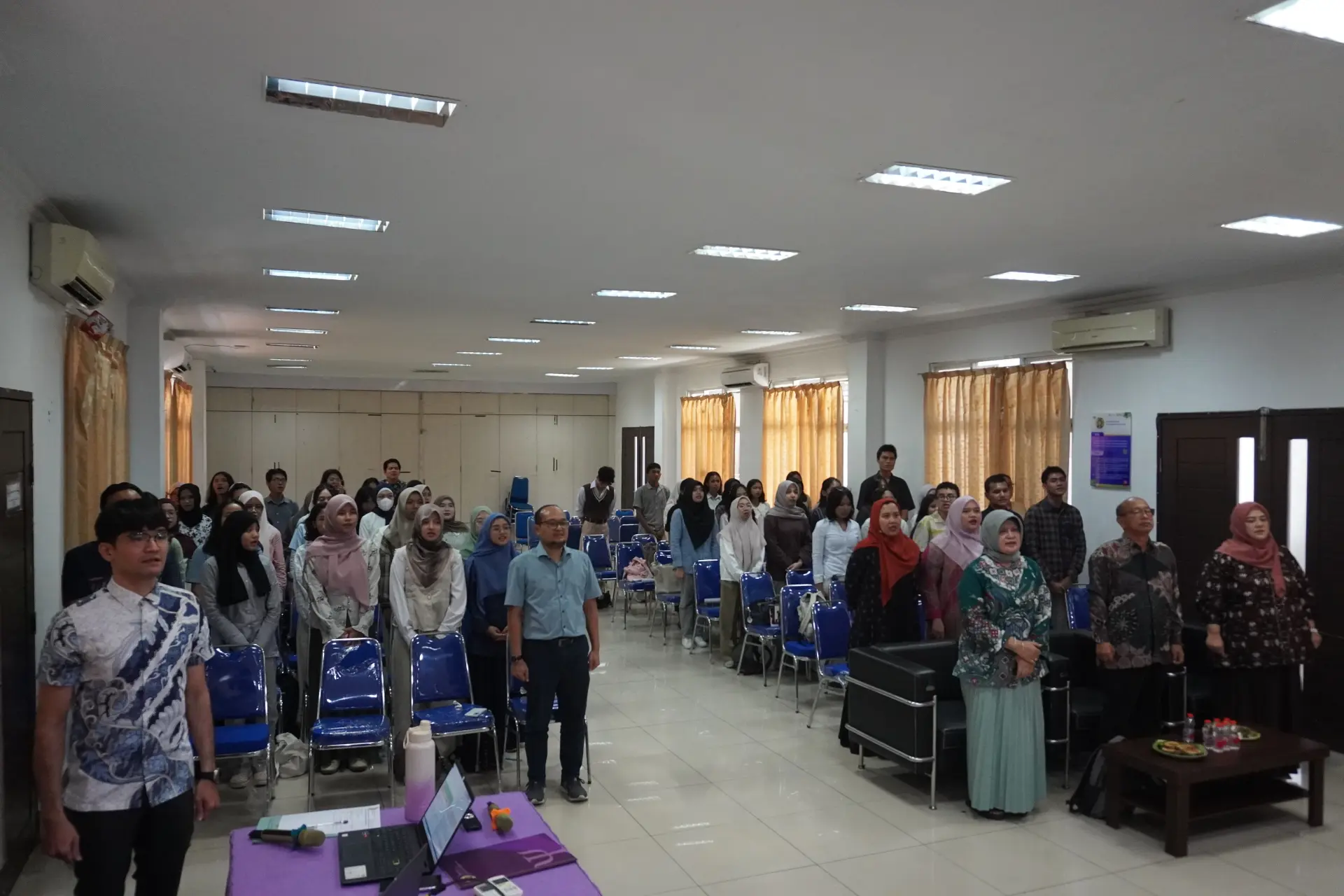
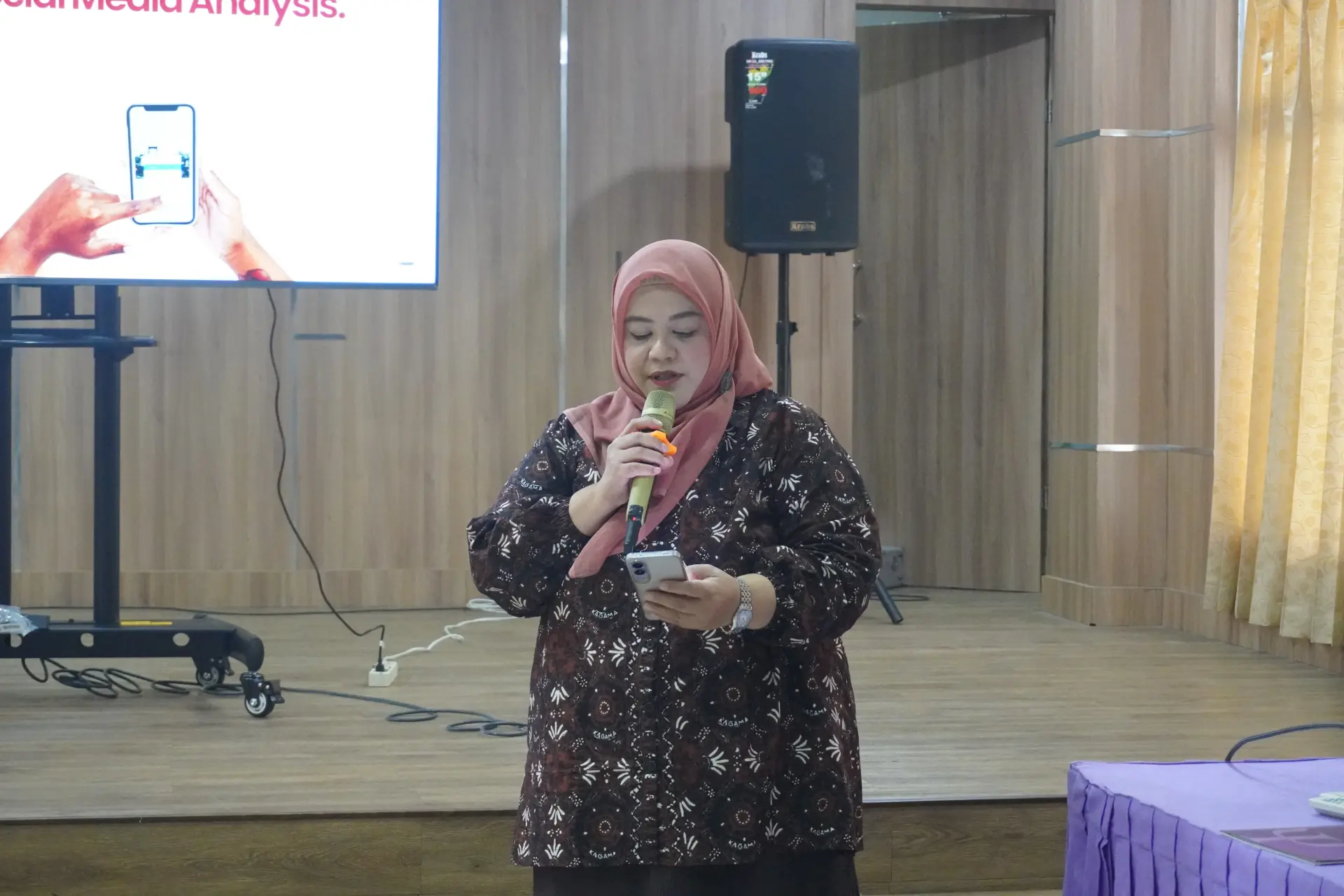
In her opening remarks, the Dean of the Faculty of Psychology, USU, expressed her appreciation for the organization of this international public lecture. She emphasized that the development of social media has opened up new opportunities in psychological research. Various posts and digital interactions can serve as sources of information for understanding people's behavior and social dynamics.
“Through this activity, we hope that the academic community of the Faculty of Psychology, USU, can broaden its knowledge and improve its ability to understand and analyze social phenomena through digital media. Social media is not only a means of communication but also contains various types of information that can be scientifically examined to produce meaningful and beneficial research,” said Prof. Vivi.
In her presentation, Assoc. Prof. Dr. Azahar Kasim discussed the development of media, from print and electronic media to the digital era, which is characterized by the growth of social media and the use of algorithms. These developments have also changed the way people obtain information and interact. This situation presents both new opportunities and challenges for researchers in understanding communication phenomena in digital spaces.
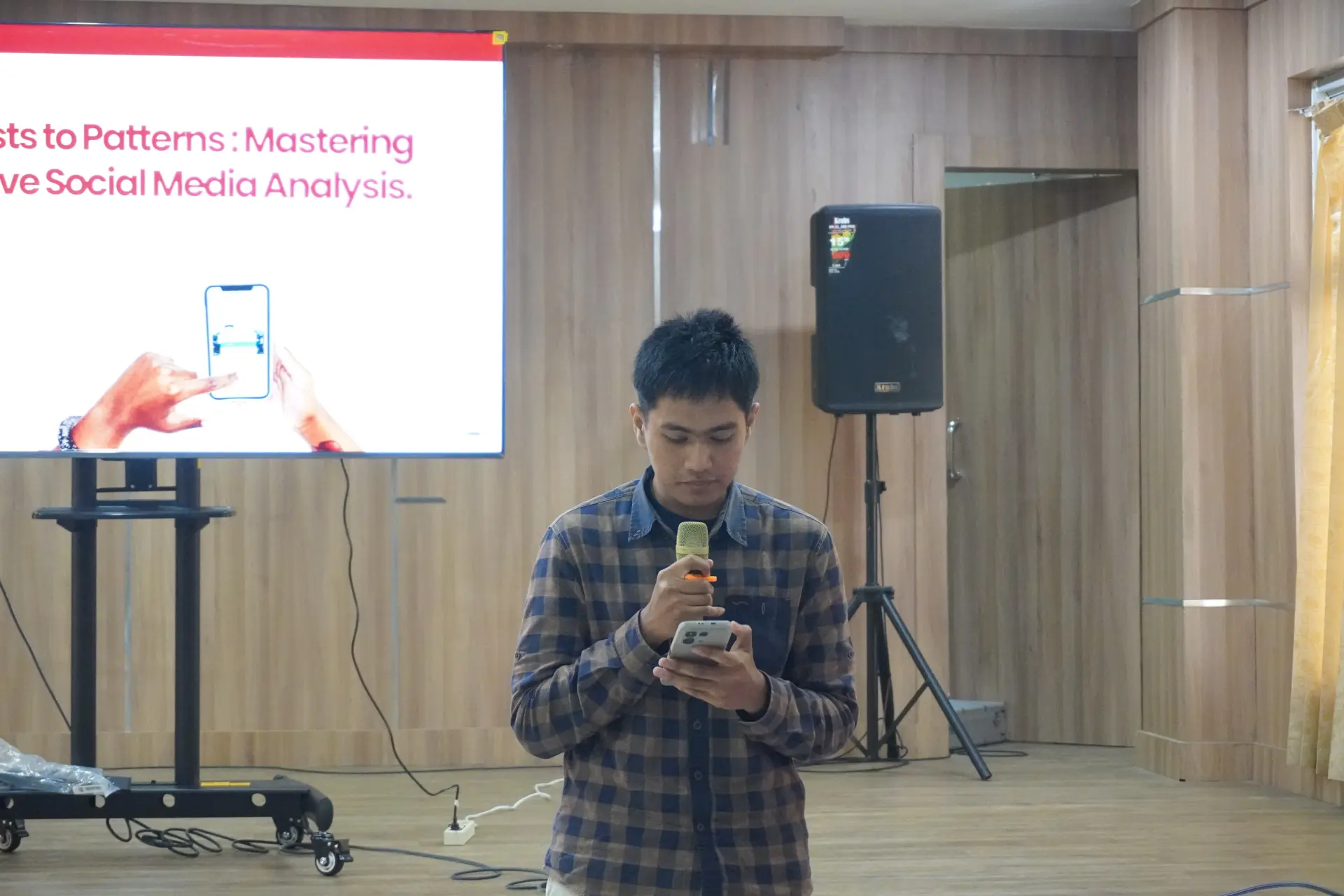
The discussion then focused on the concepts and approaches of qualitative research. The speaker explained that qualitative research is not solely oriented toward numbers or statistics but also seeks to understand the meaning behind human experiences and behavior. This approach allows researchers to explore individual perspectives and gain a deeper understanding of social phenomena through their underlying contexts.
In the context of social media analysis, various elements can serve as sources of research data. These include post texts and descriptions or captions, as well as comments and the use of hashtags. In addition, visual elements such as images and videos, along with audio elements, can also be analyzed to gain a more comprehensive understanding of the messages conveyed and user responses.
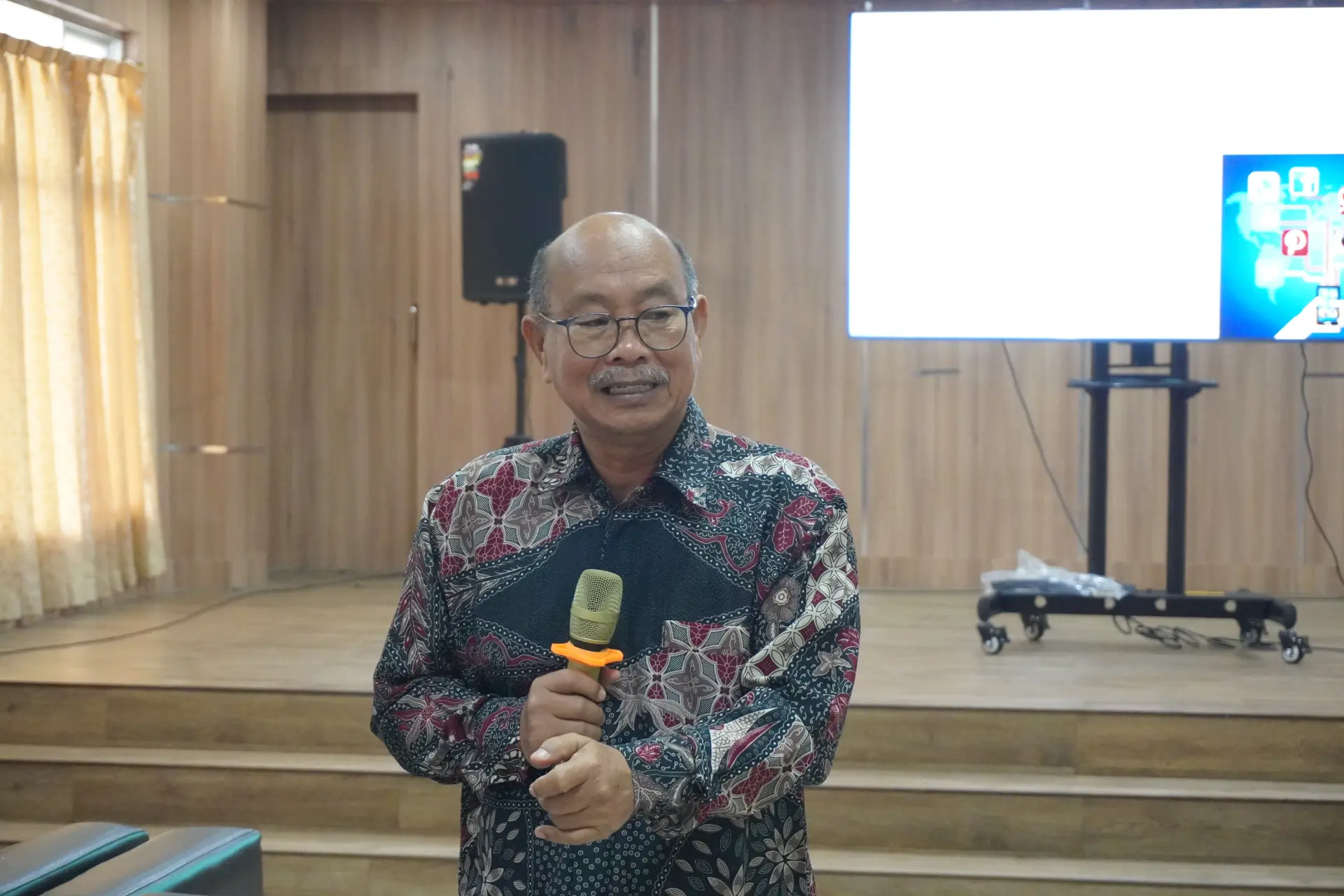
The public lecture also discussed the importance of determining the units of analysis in social media research. Researchers need to consider the sampling unit, the recording unit, and the context required to understand a message. Furthermore, inter-coder reliability is an important aspect of ensuring the accuracy and reliability of the qualitative data analysis process.
Through this activity, participants gained insights into how phenomena emerging on social media can be processed into systematic research data. The discussion is expected to encourage lecturers and students of the Faculty of Psychology, USU, to utilize developments in digital technology to develop innovative psychological research that is relevant to society's needs.
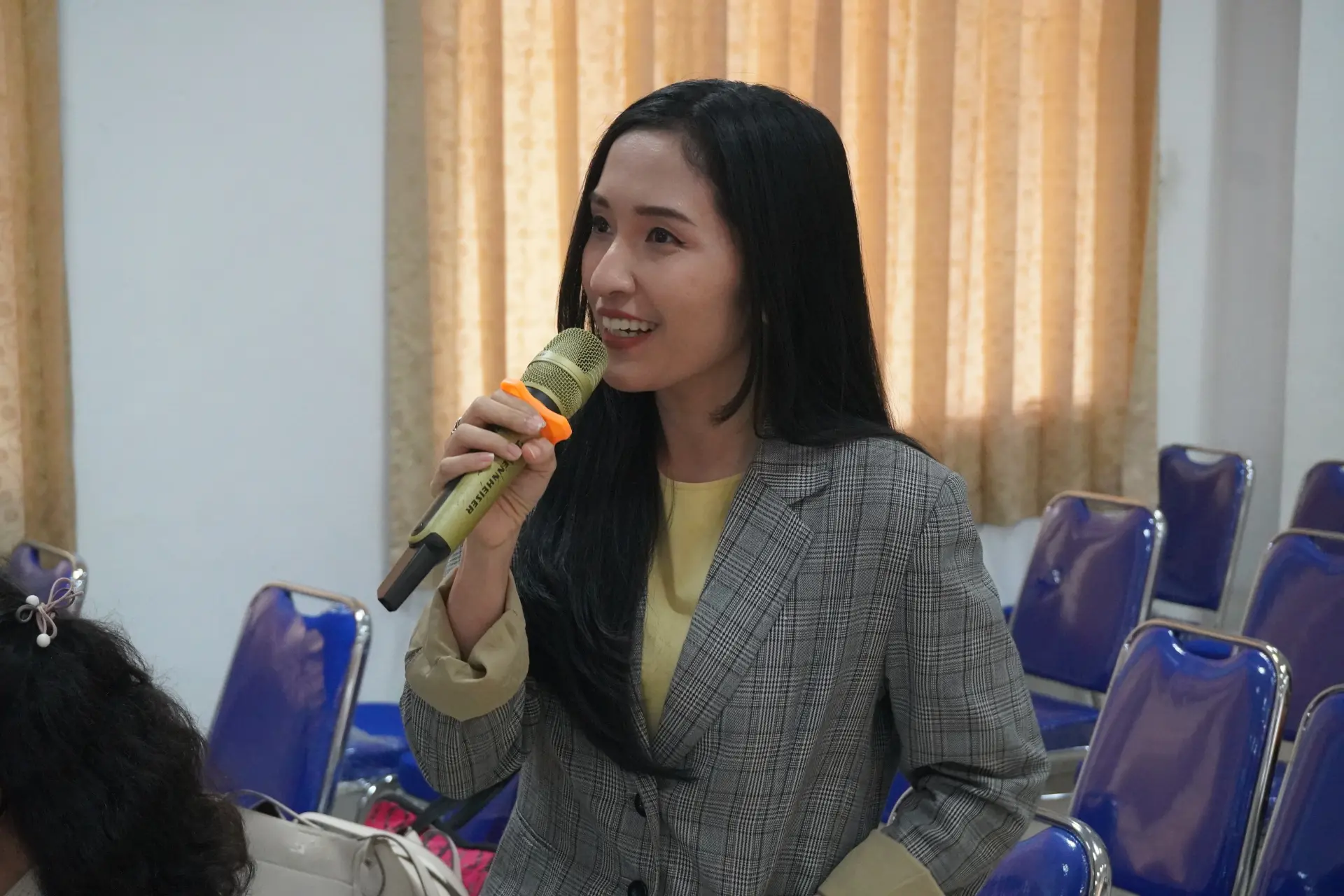
The organization of this international public lecture is one of the Faculty of Psychology, USU's efforts to strengthen the quality of education and research through the exchange of knowledge with international academics. This activity is also expected to broaden the academic community's perspectives on understanding human behavior amid increasingly dynamic developments in communication technology.
This activity aligns with the Sustainable Development Goals (SDGs), particularly SDG 4 (Quality Education), through the enhancement of knowledge and academic competencies in qualitative research. In addition, this activity supports SDG 9 (Industry, Innovation, and Infrastructure) through the utilization of digital technology as a data source and the development of research innovation. Academic collaboration with a speaker from Universiti Utara Malaysia also reflects the spirit of SDG 17 (Partnerships for the Goals) in strengthening cooperation and knowledge exchange at the international level.