


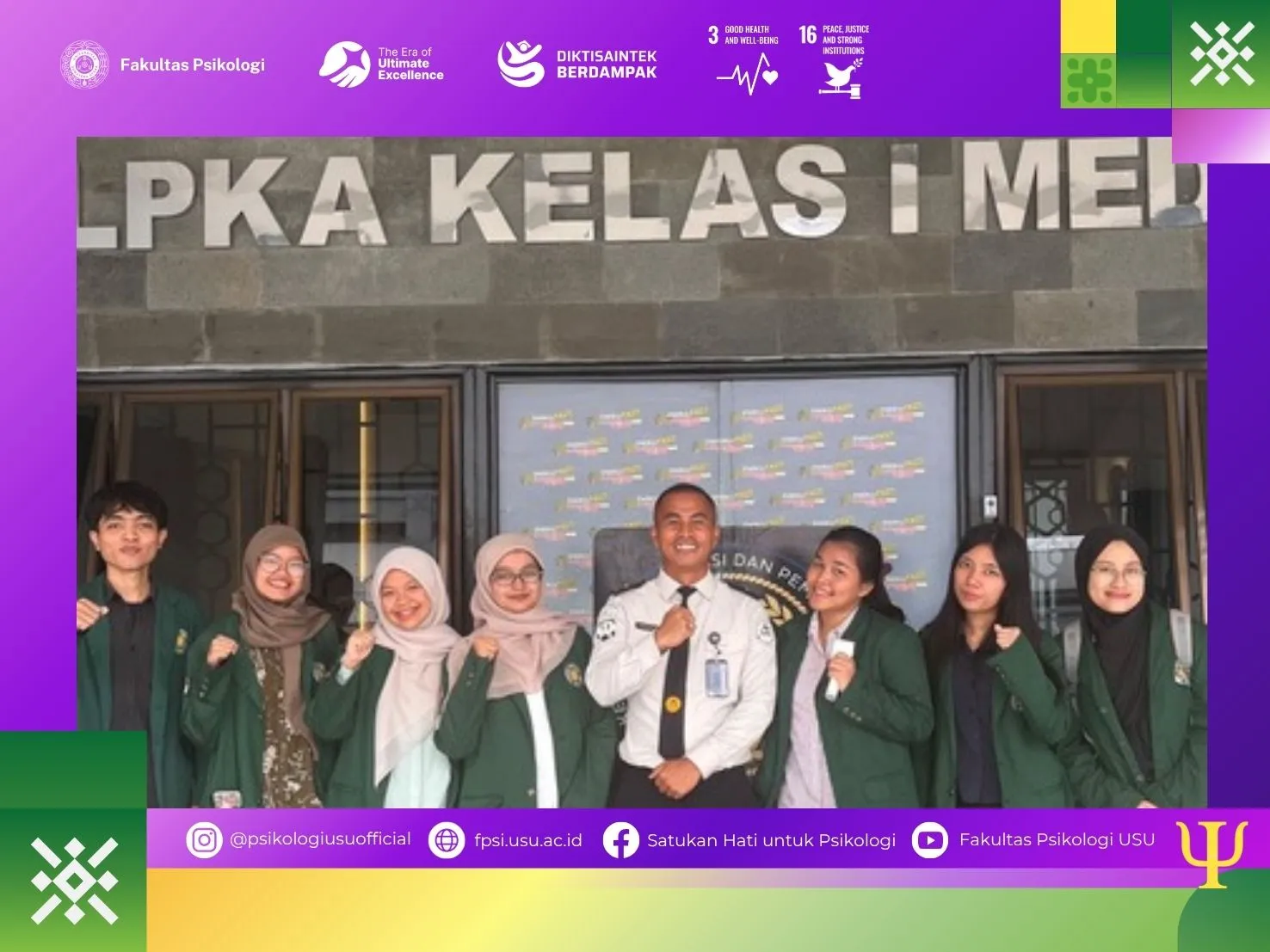
The Mindful Self-Compassion intervention is a psychological program that helps individuals develop mindfulness, self-kindness, and an understanding that difficult experiences are part of the shared human experience (common humanity). This approach is expected to help children in the institution cope with various feelings and concerns about the future, particularly as they prepare to return to life in society.
The intervention program was conducted through three meetings consisting of eight sessions. The activities included psychoeducation, mindfulness exercises, self-compassion exercises, group discussions, and self-reflection. Through these activities, participants had the opportunity to recognize their emotions, understand their thoughts and feelings without judging themselves, and develop more positive responses when facing difficult situations.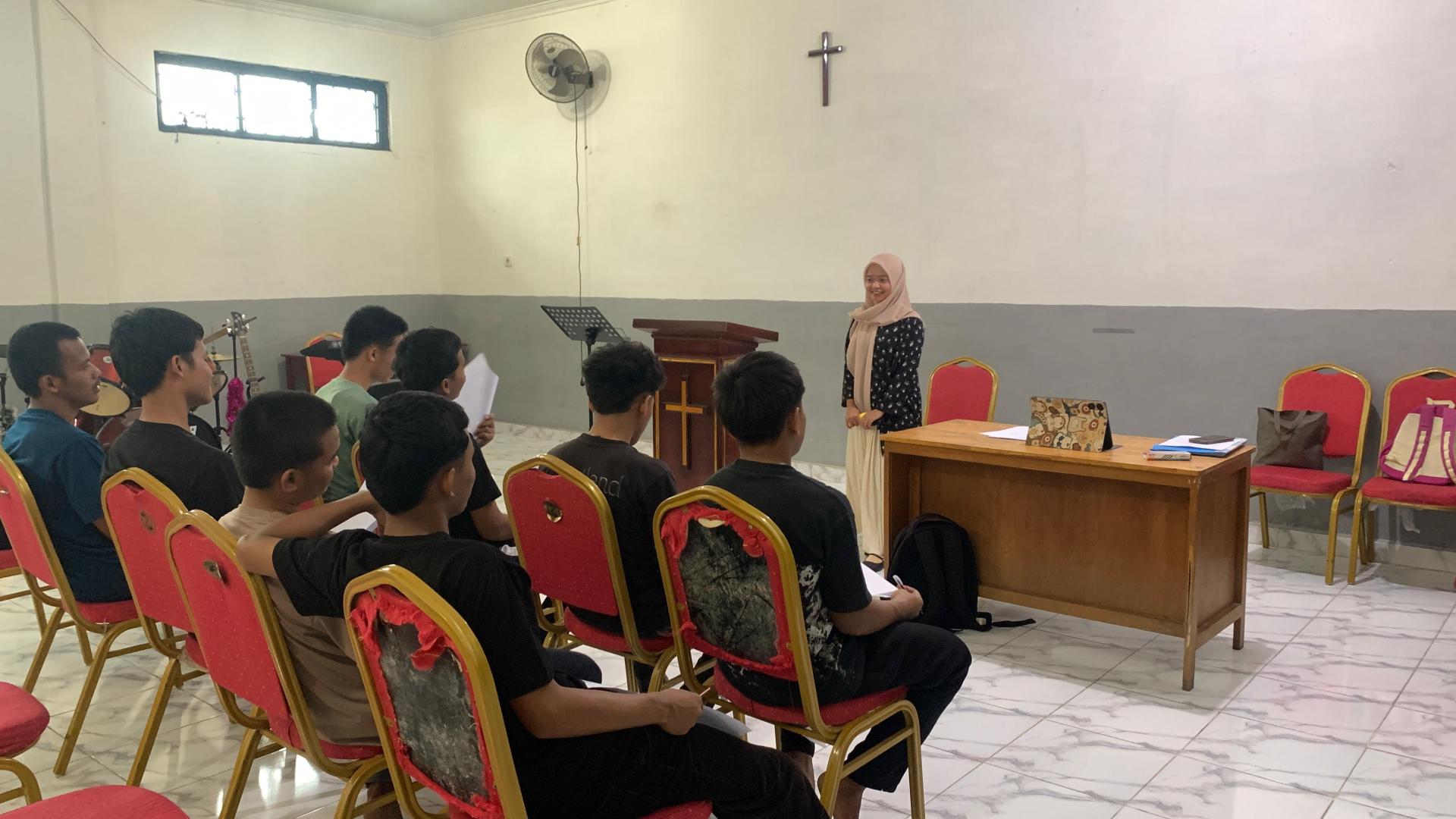
Specifically, the program is expected to help participants recognize and accept their emotions, reduce the tendency to think negatively about the future, and develop a more adaptive outlook when facing life after completing their period of rehabilitation at LPKA. Thus, the intervention focuses not only on anxiety management but also on strengthening individuals' ability to understand themselves and cope with life changes.
The implementation of this program reflects the importance of addressing the mental health of children in rehabilitation as part of efforts to support their development and psychological well-being. Children undergoing rehabilitation still need support to recognize their potential, develop emotional management skills, and prepare for the future with greater optimism and realistic expectations.
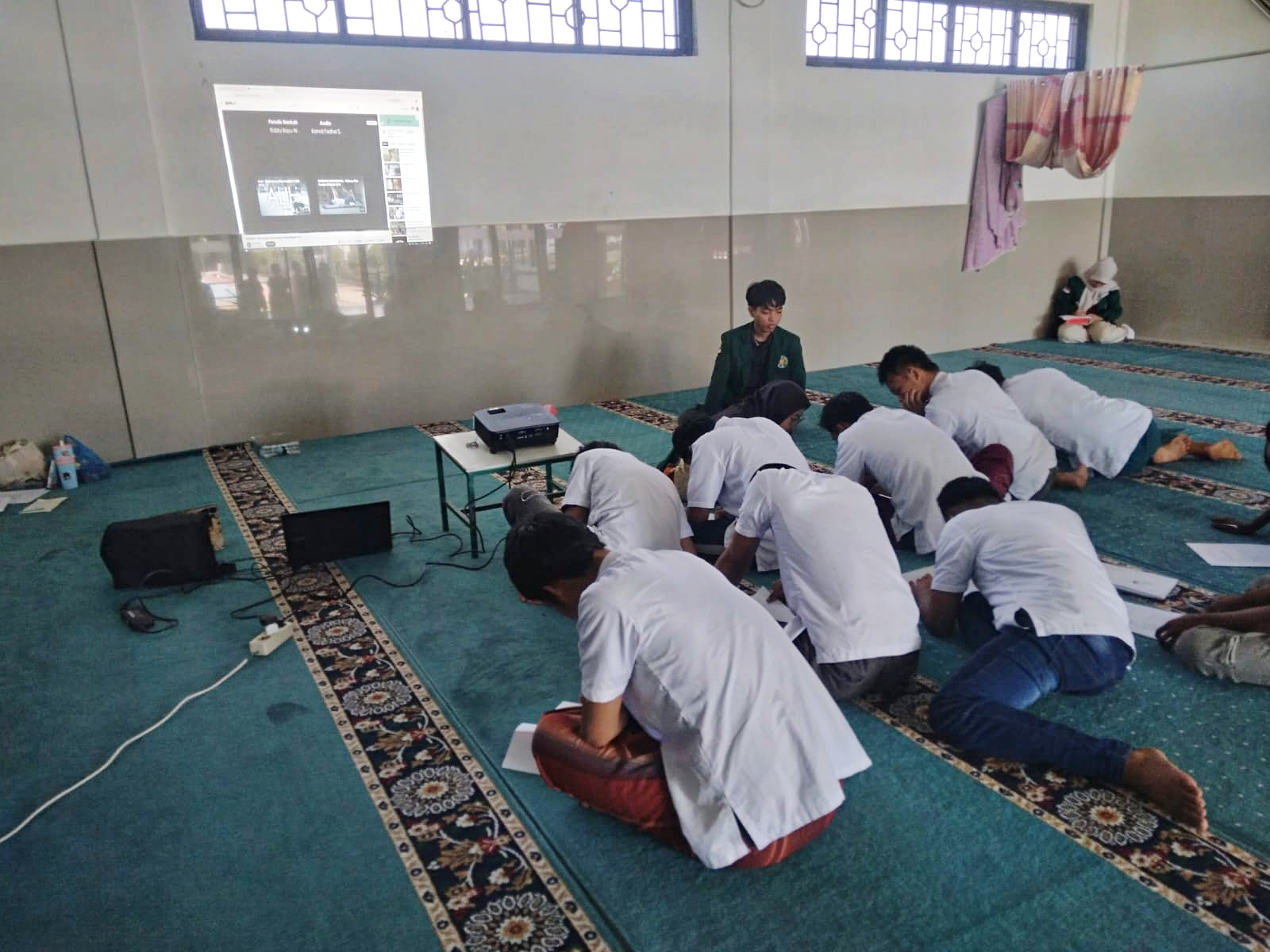
This initiative aligns with Sustainable Development Goal (SDG) 3: Good Health and Well-being, which emphasizes the importance of improving health and well-being for everyone, including mental health. Providing psychological support to children in rehabilitation is one way of promoting the well-being of individuals who need assistance in facing life's challenges. The program is also relevant to SDG 16: Peace, Justice and Strong Institutions, particularly in supporting rehabilitation approaches that prioritize well-being, recovery, and children's readiness to participate positively in society again.
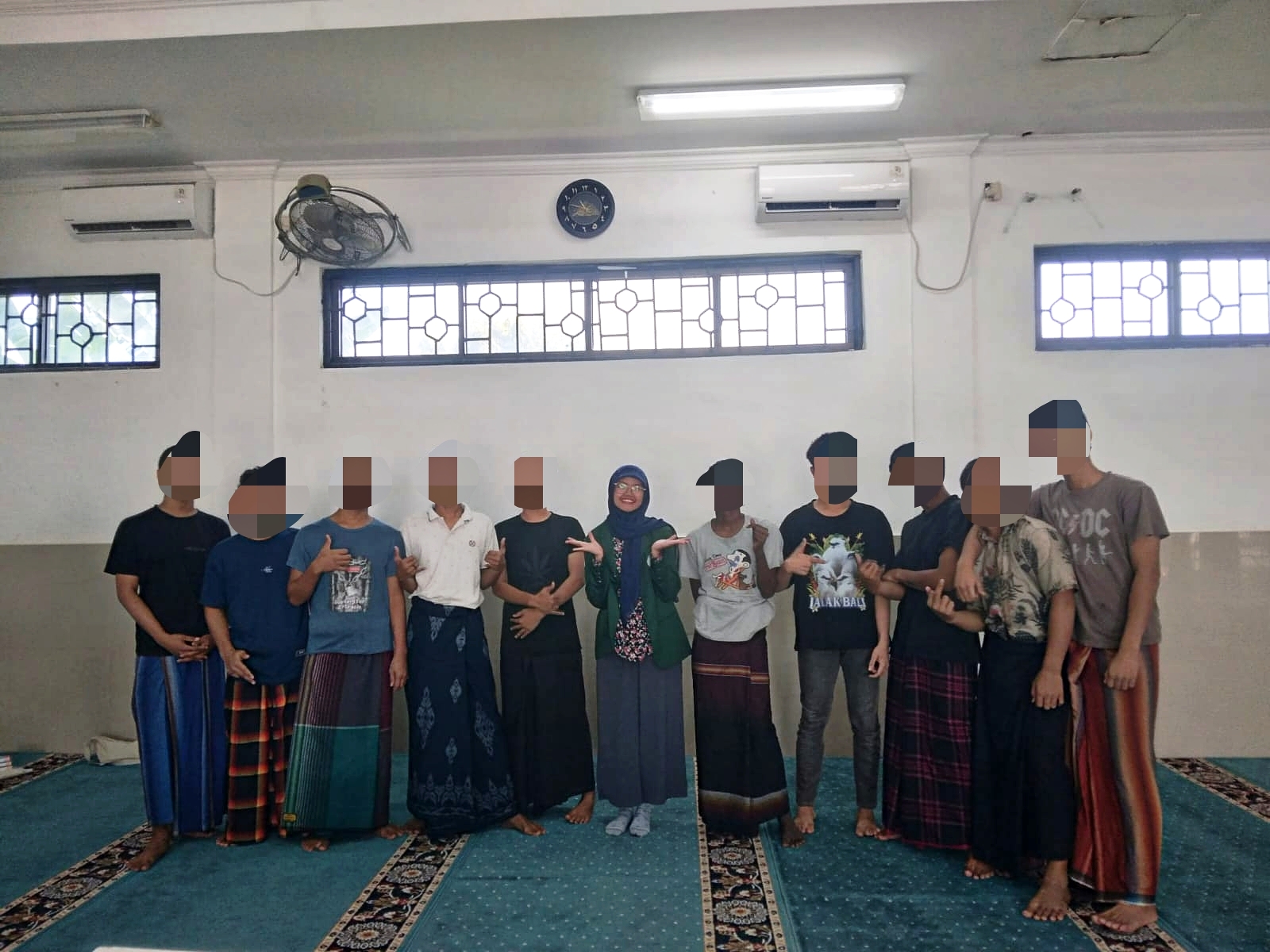
Through the Mindful Self-Compassion intervention program, the Faculty of Psychology USU is expected to continue contributing to the development of psychology with a meaningful impact on society, including by addressing the needs of groups requiring psychological support. This initiative also reaffirms that mental health is an essential part of the rehabilitation process and children's preparation for the future.