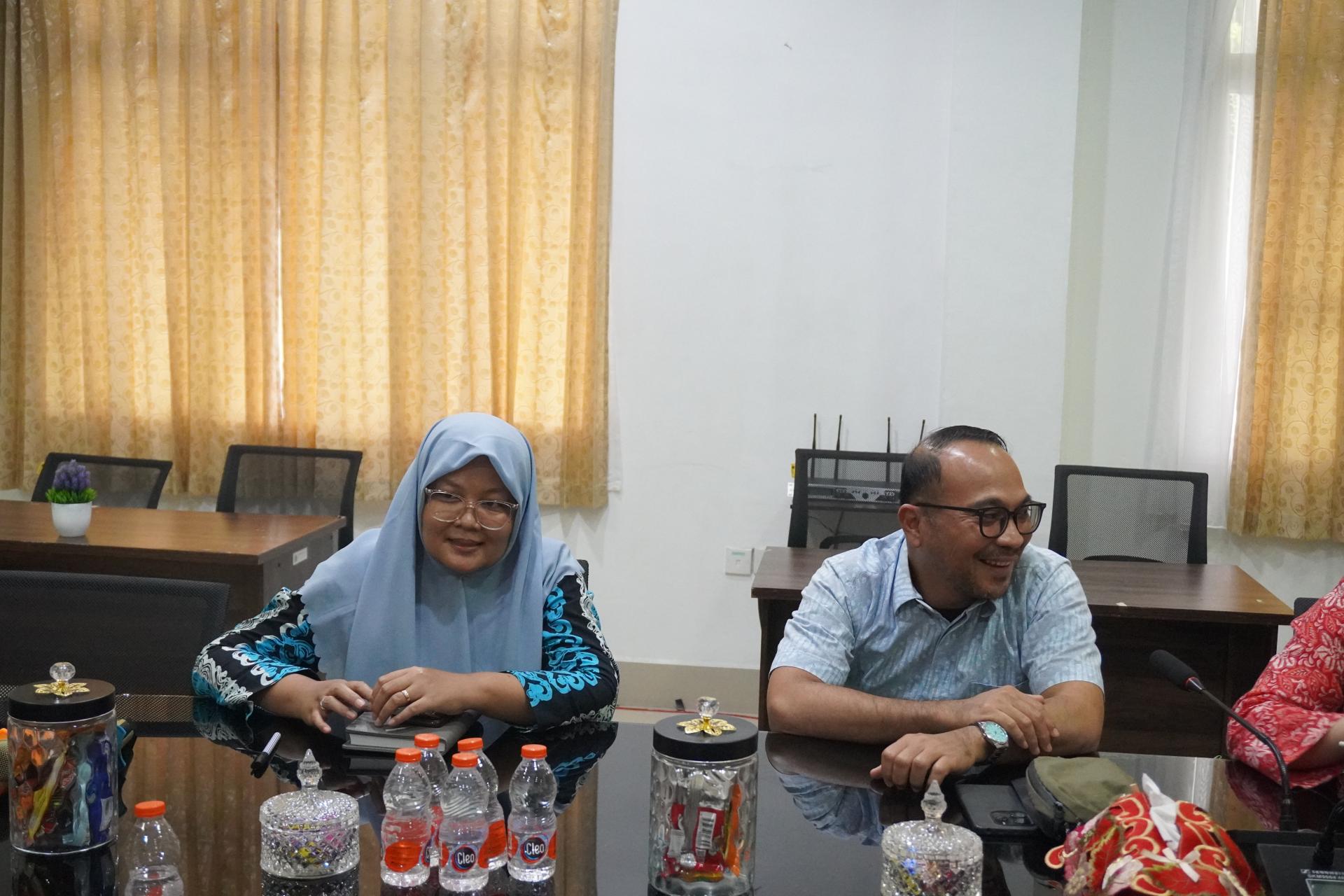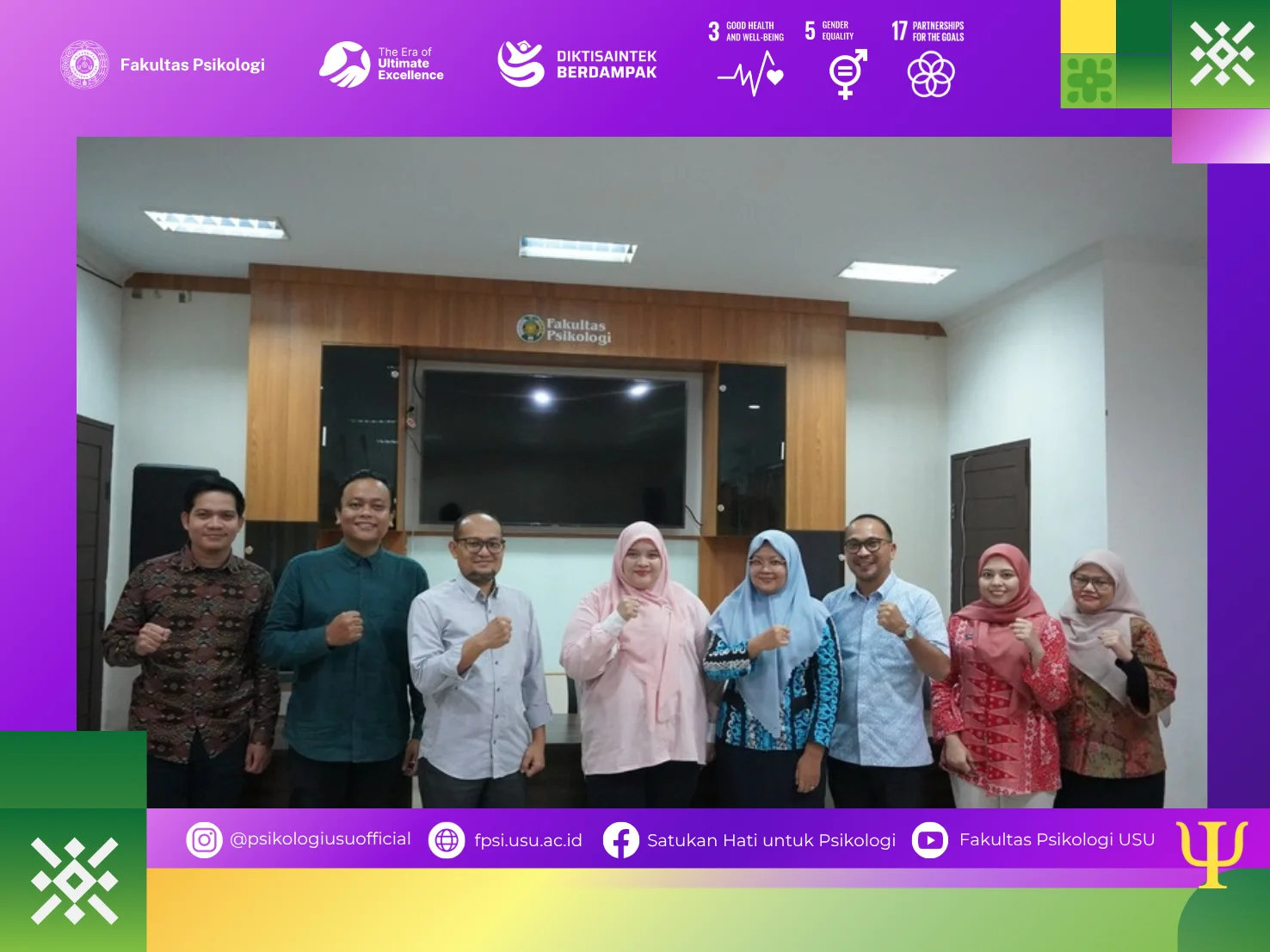
The working visit provided an opportunity for the Faculty of Psychology USU and the North Sumatra Provincial Office of P3AKB to explore potential areas of cooperation for future development. The discussion focused on various opportunities for synergy relevant to psychology, women's empowerment, child protection, and strengthening family resilience.
Through this meeting, both parties are expected to identify needs, potential areas, and forms of collaboration that can be realized through well-planned and sustainable programs. This synergy between a higher education institution and a government agency also opens opportunities to connect psychological knowledge and research findings with community needs, particularly in supporting the psychological well-being of women, children, and families.
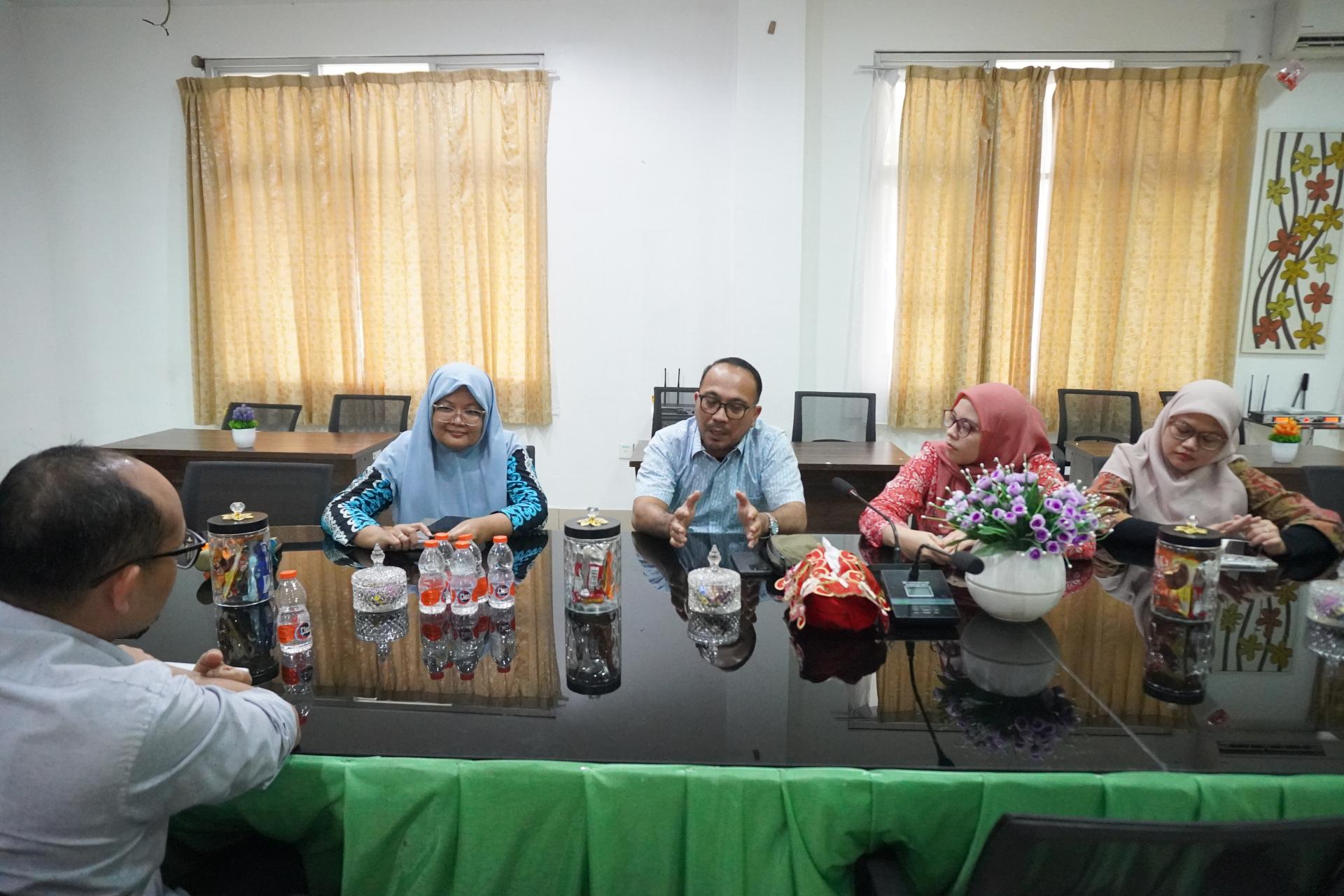
For the Faculty of Psychology, this exploration of cooperation represents an opportunity to expand its academic contributions by applying psychological knowledge to address various social challenges. Meanwhile, collaboration with a government agency can provide a platform for strengthening the implementation of programs based on knowledge, community needs, and relevant psychological approaches.
This working visit also aligns with the commitment to achieving the Sustainable Development Goals (SDGs), particularly SDG 5: Gender Equality, which promotes women's empowerment and the elimination of all forms of discrimination against women and girls. In addition, this activity is relevant to SDG 3: Good Health and Well-being, through the potential development of programs that support psychological well-being and community mental health, as well as SDG 17: Partnerships for the Goals, through strengthening partnerships between higher education institutions and the government to promote inclusive and sustainable development.
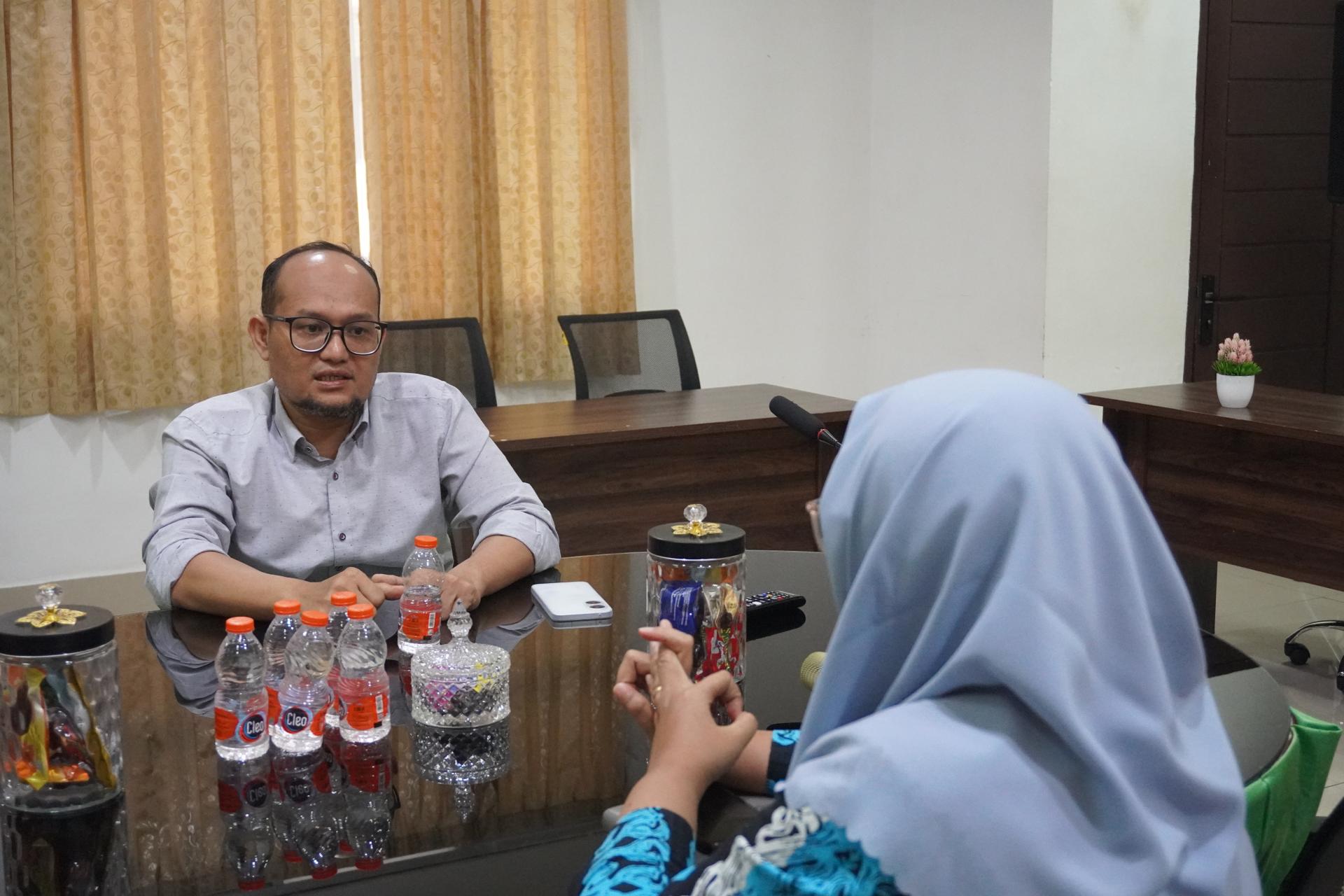
Through this working visit, the Faculty of Psychology USU and the North Sumatra Provincial Office of P3AKB are expected to follow up on the discussion outcomes by developing concrete collaboration plans. The cooperation is expected not only to strengthen institutional relations but also to provide tangible benefits to the community through programs for the empowerment, protection, and improved well-being of women, children, and families in North Sumatra.